
In cryogenics applications, vacuum insulation is commonly used to minimize heat transfer between the cryogenic fluid and the surrounding environment. It helps to maintain low temperatures and improve the overall efficiency of cryogenic systems. There are two main types of vacuum insulation: static and dynamic. Here’s the difference between the two:
1. Static Vacuum Insulation:
Static vacuum insulation involves creating a vacuum-sealed space between two layers of material, typically with a high thermal resistance. The vacuum serves as an insulator by eliminating gas or air molecules that could conduct heat. The layers are typically made of materials such as glass, metal, or plastic, with reflective coatings to further reduce radiant heat transfer.
Static vacuum insulation is achieved by evacuating the space between the layers and then sealing it off. This design creates a fixed vacuum that remains constant over time. The insulating performance of static vacuum insulation is based on the initial vacuum level and the quality of the seals used. Over time, however, there can be a gradual loss of vacuum due to the permeation of gases through the materials or seal degradation, which may impact the insulation efficiency.
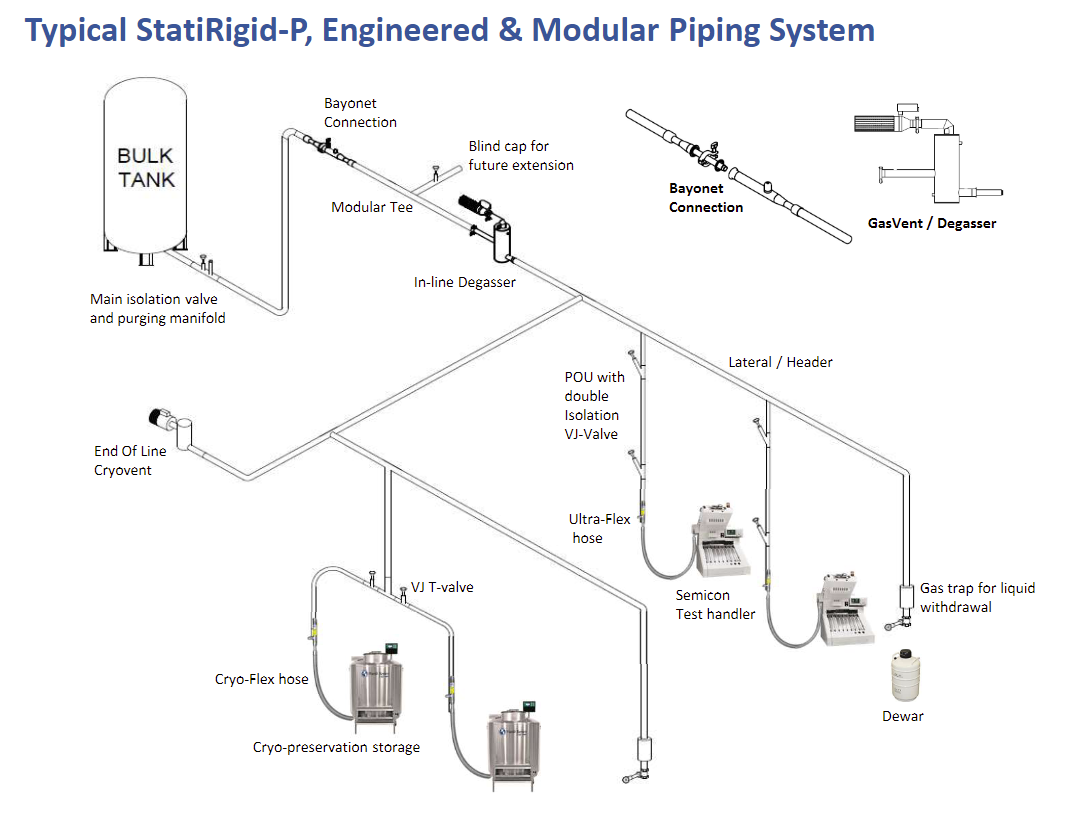
2. Dynamic Vacuum Insulation:
Dynamic vacuum insulation, also known as active vacuum insulation, involves continuously maintaining a vacuum within the insulation space. It uses pumps or getter systems to remove or absorb gases that may enter the insulation space over time. These systems actively monitor and control the vacuum level to ensure optimal insulation performance.
In dynamic vacuum insulation, sensors detect any increase in the gas pressure within the insulation space, triggering the activation of the vacuum pumps or getter materials. This maintains the vacuum at a specified level, compensating for any gas permeation or leakage that may occur.
The advantage of dynamic vacuum insulation is its ability to provide a more consistent and reliable level of insulation over an extended period. By actively managing the vacuum, it can compensate for any losses and maintain a high level of thermal efficiency. This is particularly important in long-term cryogenic applications where maintaining low temperatures is critical.
In summary, the main difference between static and dynamic vacuum insulation lies in how they handle the vacuum within the insulation space. Static insulation relies on an initial vacuum that may gradually degrade over time, while dynamic insulation actively maintains the vacuum at the desired level to ensure long-term insulation performance.
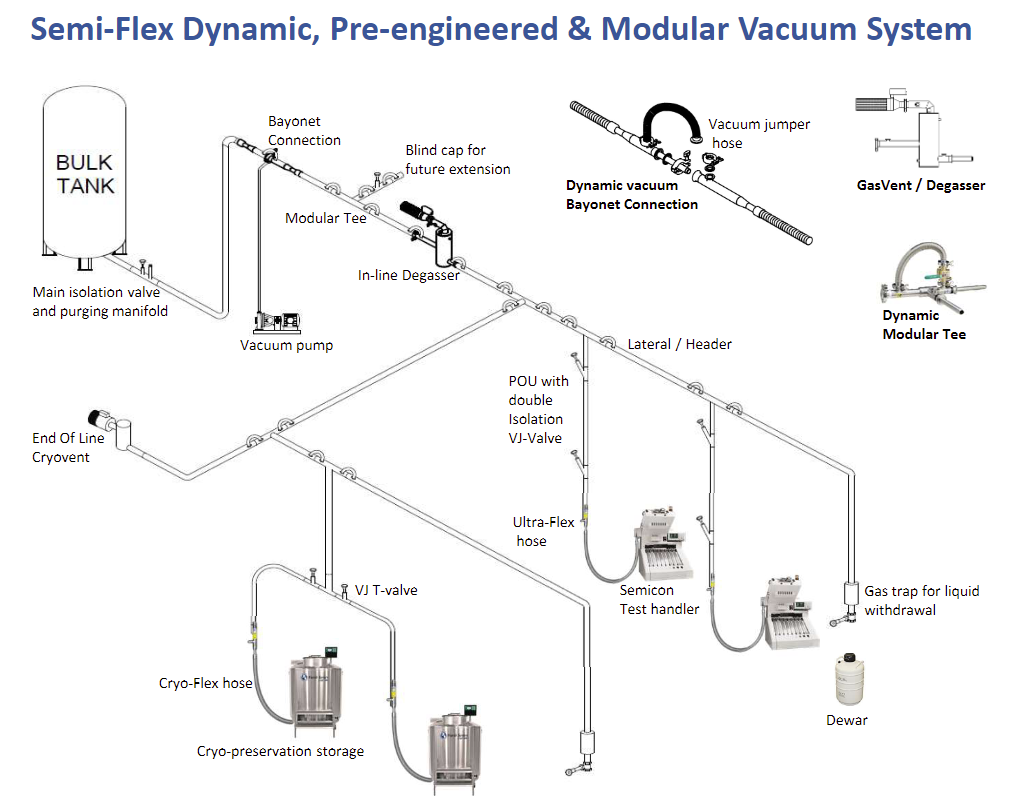
CSM manufacture complete series of products with both static and dynamic vacuum insulation technology such as Semiflex, TriaxFlex, phase separator, cryovent and valve.
Both static and dynamic vacuum insulation systems commonly use Multi-Layer Insulation (MLI) materials to provide thermal insulation. MLI consists of multiple layers of thin, reflective materials that are separated by spacers. These layers and spacers form a multilayered blanket-like structure that helps to minimize heat transfer by radiation.
The specific materials used in MLI can vary depending on the application and desired performance. Some commonly used materials in MLI include:
1. Aluminum: Aluminum is a popular choice for MLI because of its high reflectivity to thermal radiation. It effectively reflects and blocks radiant heat transfer.
2. Mylar (Polyethylene Terephthalate): Mylar is a durable and lightweight material often used as a spacer in MLI. It provides mechanical support and separation between the reflective layers while minimizing heat conduction.
3. Kapton (Polyimide): Kapton is another commonly used material in MLI due to its excellent thermal and mechanical properties. It has low thermal conductivity and can withstand cryogenic temperatures.
4. Tedlar (Polyvinyl Fluoride): Tedlar is sometimes used as an outer layer material in MLI due to its resistance to environmental factors such as moisture and UV radiation. It helps to protect the underlying insulation layers.
These materials are typically combined in alternating layers to form the MLI blanket. The number of layers and the thickness of each layer can vary depending on the specific insulation requirements of the cryogenic system. The reflective nature of the materials and the air gaps created by the spacers effectively reduce radiative heat transfer, providing efficient thermal insulation.
Advantages of Static Vacuum Insulation:
1. Simplicity: Static vacuum insulation systems are relatively simple in design and operation. They consist of evacuated spaces between layers of material, without the need for active pumping or monitoring systems.
2. Lower Cost: Static vacuum insulation systems are generally less expensive to manufacture and maintain compared to dynamic systems. The absence of complex vacuum maintenance components contributes to the cost savings.
3. Lower Power Consumption: Since static vacuum insulation does not require active pumping systems, it consumes less power. This can be advantageous in applications where power availability or consumption is a concern.
Disadvantages of Static Vacuum Insulation:
1. Vacuum Degradation: Over time, static vacuum insulation can experience vacuum degradation due to the permeation of gases through materials or seal deterioration. This gradual loss of vacuum reduces the insulation efficiency, leading to increased heat transfer and potential temperature rise.
2. Limited Longevity: The insulation performance of static vacuum systems may degrade more rapidly over extended periods compared to dynamic systems. This could require more frequent maintenance or replacement of the insulation material to maintain optimal performance.
Advantages of Dynamic Vacuum Insulation:
1. Enhanced Insulation Performance: Dynamic vacuum insulation systems actively maintain the vacuum level, compensating for any gas permeation or leakage. This ensures a more consistent and reliable level of insulation over time, leading to better overall thermal performance.
2. Extended Service Life: By continuously monitoring and adjusting the vacuum level, dynamic insulation systems can have a longer service life compared to static systems. They can compensate for vacuum losses and extend the duration between maintenance intervals.
3. Improved Temperature Control: The active management of vacuum in dynamic insulation systems allows for better temperature control and stability. This can be particularly advantageous in applications where precise temperature maintenance is critical.
Disadvantages of Dynamic Vacuum Insulation:
1. Complexity and Cost: Dynamic vacuum insulation systems are generally more complex in design and require additional components such as vacuum pumps or getter materials. This complexity can increase the overall cost of the system, both in terms of initial installation and ongoing maintenance.
2. Power Consumption: Dynamic systems require power to operate the vacuum pumps or other active components. The power consumption of these systems can be higher compared to static insulation, which may be a consideration in certain applications.
In summary, static vacuum insulation offers simplicity and lower cost but may experience gradual vacuum degradation and require more frequent maintenance. Dynamic vacuum insulation provides enhanced insulation performance, longer service life, and improved temperature control but comes with increased complexity, cost, and power consumption. The choice between the two depends on the specific requirements, budget, and expected lifespan of the cryogenic system.


