
Cryogenics is a fascinating field that deals with extremely low temperatures and the unique properties of materials at such conditions. While cryogenic technology has enabled remarkable advancements in various industries, it’s crucial to understand the hazards associated with working with cryogenic media and the measures to ensure safe handling.
What is Cryogenics?
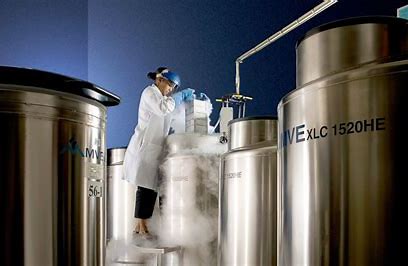
Cryogenics is the branch of science and engineering that focuses on the production, behavior, and applications of materials at extremely low temperatures, typically below -150 degrees Celsius (-238 degrees Fahrenheit). This field has a wide range of applications, from preserving biological samples to enabling superconductivity in electronics. However, the ultra-cold temperatures involved in cryogenics introduce specific hazards that must be carefully managed.
Cryogenic Hazards
Cold Burns and Frostbite
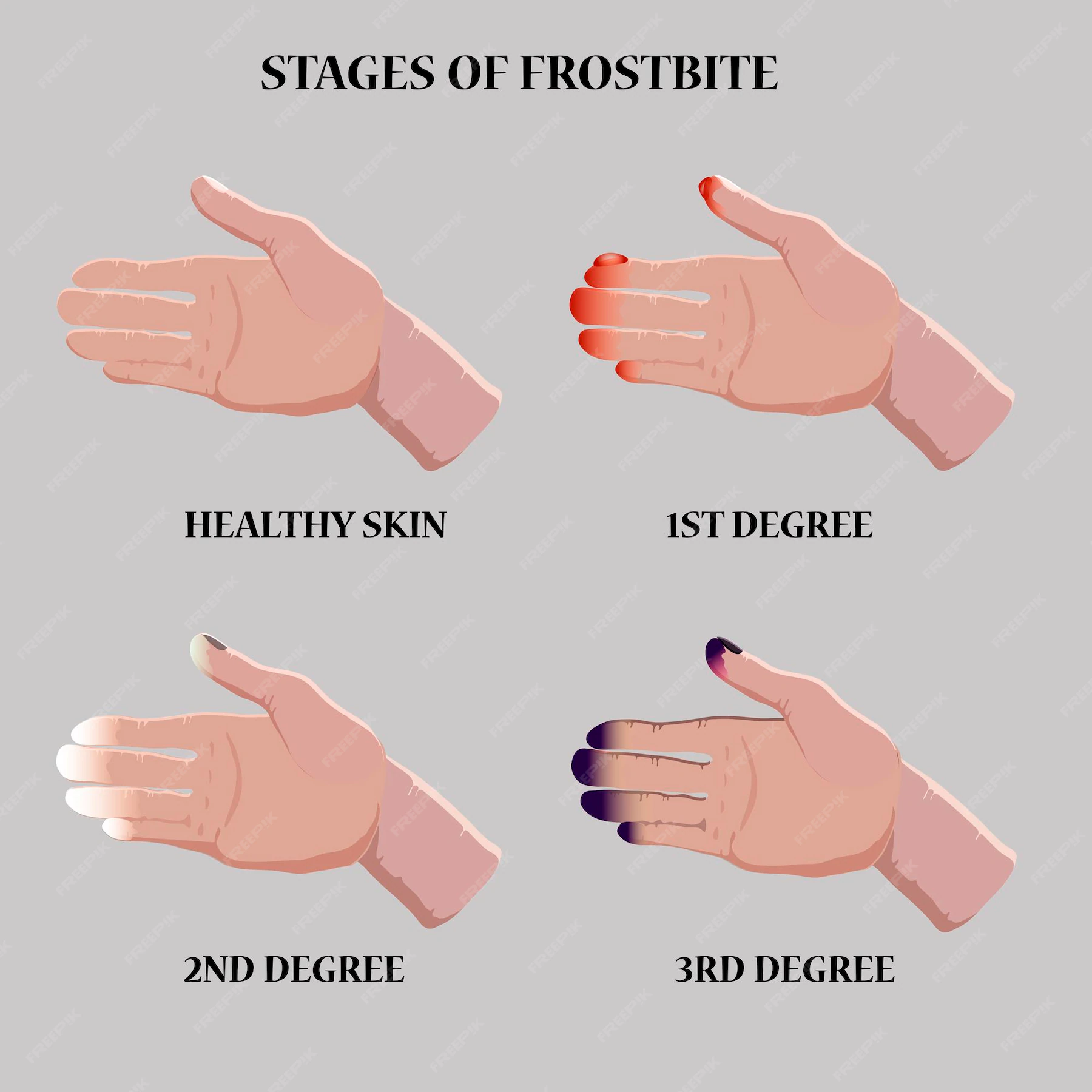
One of the most immediate dangers when handling cryogenic substances is the risk of cold burns and frostbite. Contact with extremely cold materials can cause severe tissue damage, similar to thermal burns. Even brief exposure to cryogenic liquids or gases can result in painful injuries.
Oxygen Deficiency
Many cryogenic gases displace oxygen from the surrounding environment. If a leak occurs, it can lead to oxygen-deficient atmospheres, which can be life-threatening. It’s essential to work in well-ventilated areas and have proper gas monitoring systems in place.
Pressure Hazards
Cryogenic liquids can rapidly vaporize when exposed to higher temperatures. This vaporization can result in a significant increase in pressure within sealed containers, leading to potential explosions or ruptures if safety measures are not observed.
Rapid Boiling and Splashing
Cryogenic liquids, such as liquid nitrogen, can violently boil and splatter when exposed to warmer surfaces or substances. This can result in unexpected splashes that may cause injury if proper protective gear is not worn.
Safe Handling Practices
To mitigate the risks associated with cryogenic media, it’s essential to follow strict safety protocols and guidelines. Here are some key practices for safe cryogenic handling:
Personal Protective Equipment (PPE)
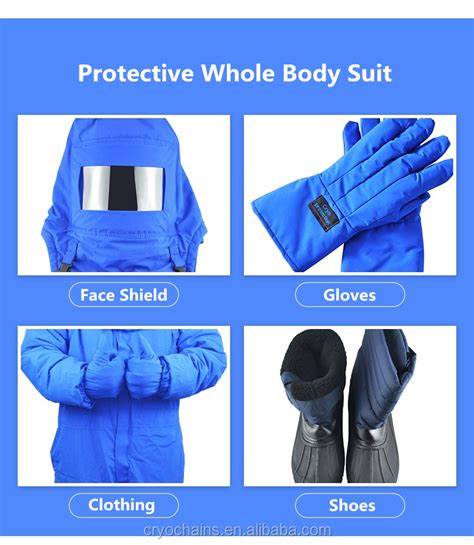
- Insulated Gloves: Wear cryogenic-resistant gloves to protect against cold burns and frostbite.
- Face Shields or Safety Goggles: Shield the face and eyes from potential splashes or spills.
- Full-Face Masks: Use masks to prevent inhalation of cryogenic vapors.
- Cryogenic Aprons: These aprons provide additional protection against spills.
- Closed-Toe Shoes: Ensure that footwear is closed-toe and provides insulation against extreme cold.
Proper Ventilation
Work in well-ventilated areas to prevent the buildup of cryogenic gases. Install gas monitoring systems to detect leaks and ensure oxygen levels remain safe.
Training and Education
Ensure that all personnel involved in cryogenic handling are adequately trained and educated about the hazards and safety measures. Regular safety drills and updates are essential.
Safe Storage
Store cryogenic media in dedicated, well-ventilated storage areas. Use appropriate containers designed for cryogenic substances, and label them clearly.
Leak Detection
Implement leak detection systems to quickly identify and address any gas or liquid leaks. Regularly inspect equipment for signs of wear or damage.
Emergency Response
Have a well-defined emergency response plan in place. This should include procedures for evacuating the area, providing first aid, and contacting emergency services in case of accidents.
Equipment Inspection and Maintenance
Regularly inspect and maintain cryogenic equipment, including valves, tanks, and transfer lines. Proper maintenance helps prevent accidents caused by equipment failure.
Conclusion
Cryogenic technology has revolutionized various industries, but it comes with inherent hazards that demand careful attention and adherence to safety practices. By understanding the risks associated with cryogenic media and implementing robust safety measures, we can harness the potential of cryogenics while safeguarding the well-being of personnel and equipment.
Always prioritize safety when working with cryogenic substances, and remember that ongoing training, equipment maintenance, and vigilance are key to preventing accidents and ensuring a secure cryogenic work environment.
For more information on cryogenic safety and best practices, consult with experts in the field and stay updated on the latest safety guidelines and recommendations.


