
What is Cryopreservation
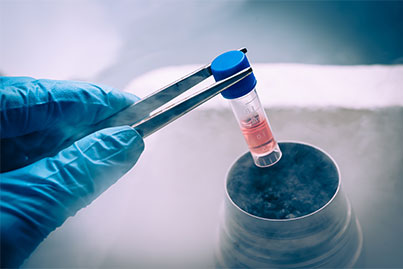
Cryopreservation, a remarkable scientific process, holds the key to preserving life at sub-zero temperatures. This technique has revolutionized fields ranging from medicine to biology, offering new avenues for organ transplantation, fertility treatments, and even the conservation of endangered species.
Defining Cryopreservation
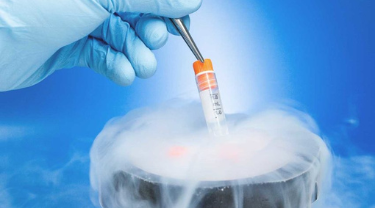
Cryopreservation involves the preservation of living cells, tissues, or even whole organisms by cooling them to extremely low temperatures, typically below -130°C (-202°F) or even colder. At such frigid temperatures, biochemical reactions slow down to a near halt, effectively preserving the biological material in a state of suspended animation.
Applications in Medicine
One of the most significant applications of cryopreservation is in the field of medicine. Organ transplantation, a critical medical procedure, often faces challenges due to the limited availability of compatible donor organs. Cryopreservation has the potential to address this issue by allowing for the storage of organs for longer periods, increasing the chances of finding suitable recipients.
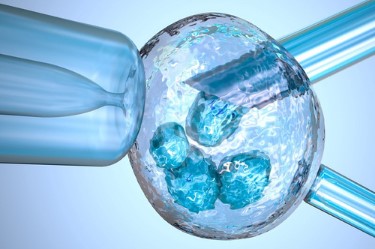
Furthermore, in the realm of reproductive health, cryopreservation has enabled advancements in fertility treatments. Sperm, eggs, and embryos can be cryopreserved, allowing individuals to preserve their fertility for later use. This is especially beneficial for those undergoing cancer treatments or other medical procedures that may affect their reproductive capabilities.
Biological Research and Conservation
Cryopreservation plays a crucial role in biological research and conservation efforts. Scientists can store cell lines, tissues, and genetic material for future studies, enabling ongoing research even after the original samples are long gone. This is particularly valuable for understanding diseases, conducting experiments, and advancing various scientific fields.
The conservation of endangered species also benefits from cryopreservation. By preserving genetic material from endangered animals, scientists can safeguard biodiversity and potentially reintroduce species back into their natural habitats in the future.
Liquid Nitrogen Piping Systems for Cryopreservation
In the realm of cryopreservation, where the preservation of biological materials hinges on extreme cold, the role of liquid nitrogen piping systems is paramount. Super insulated piping systems provide a robust solution that aligns technological ingenuity with the intricate demands of preserving biological materials. By addressing the challenges posed by heat leaks and temperature variations, CSM contributes to advancing the field of cryopreservation and ensuring that the promise of extreme cold continues to unlock new possibilities for medical, research, and conservation endeavors.
CSM specializes in designing and manufacturing super insulated piping componets & system with extremely low heat leaks, allowing for the transfer of liquid nitrogen from storage tanks to freezer units. The main benefits of their innovative systems include:
1. Reduced Vapor Formation: By minimizing heat leaks, CSM’s piping systems help reduce vapor formation within the pipeline. This reduction in vapor formation ensures a consistent and uninterrupted supply of liquid nitrogen to the freezer, preventing disruptions in the normal supply process.
2. Mitigated Warm Vapor Intrusion: The low heat leak design also minimizes warm vapor intrusion into the freezing unit. This intrusion, if left unchecked, could disrupt the freezing temperature within the unit and compromise the biological viability of preserved materials.
3. Consistent Temperature and Pressure: CSM’s piping systems ensure a dependable supply of liquid nitrogen to the freezer, maintaining a consistent low temperature and low-pressure environment. This consistency is crucial for optimal cryopreservation outcomes.


